East China has four distinct seasons. The short answer: April–May and October–November are the most comfortable months. But every season has something to offer.
Spring (March–May): blossoms and new tea
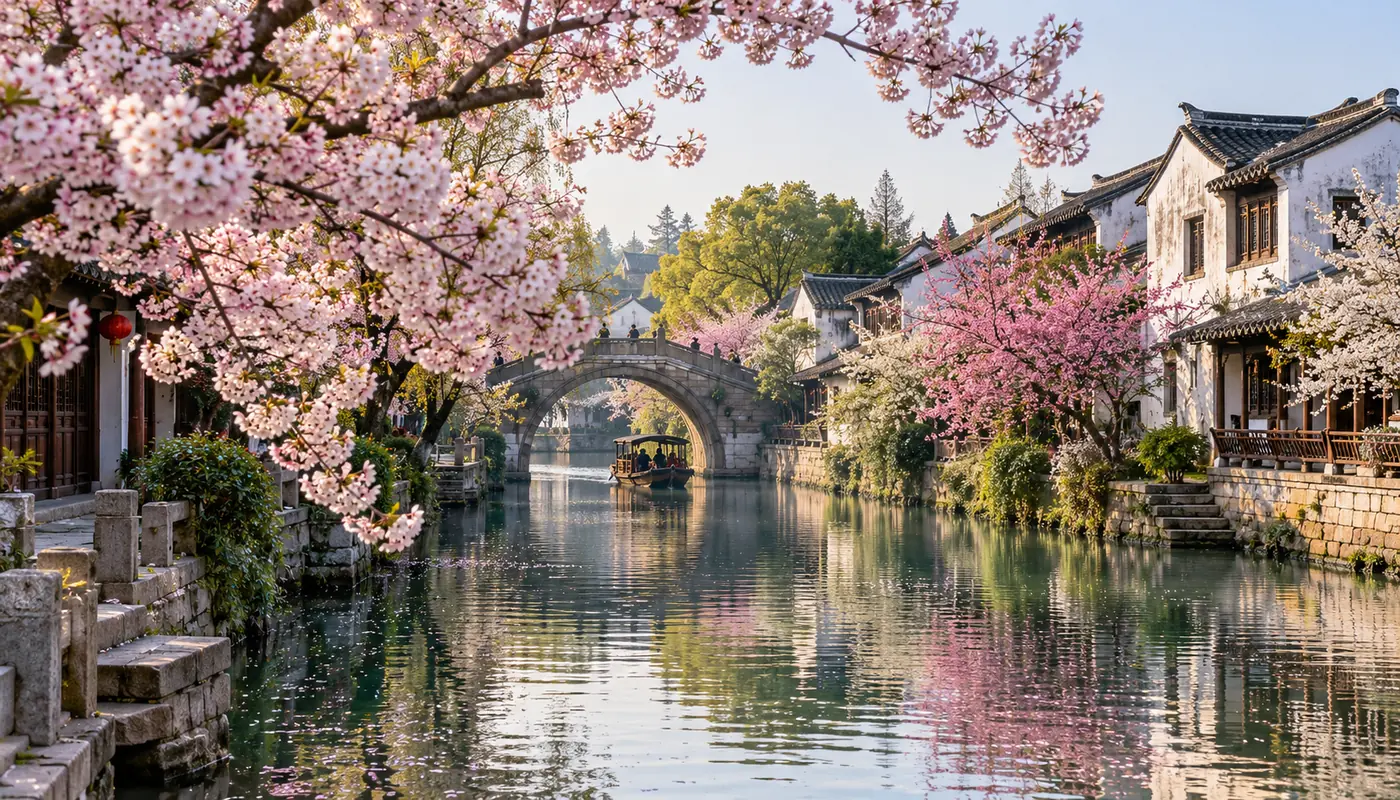
Temperatures of 12–25°C, plum and cherry blossoms in March, and the year's first Longjing tea picked around Hangzhou from late March. Light showers are common, which makes the water towns look like ink paintings.
Summer (June–August): plum rains and heat
Mid-June to early July is the meiyu (plum rain) season, with frequent rain. July and August are hot and humid (often 33°C+). Travel is still very doable — plan indoor sights at midday and enjoy the lotus flowers on West Lake.
Autumn (September–November): the golden season
Clear skies, 15–28°C and the scent of osmanthus flowers in Hangzhou in late September and October. November brings golden ginkgo and red maples to Suzhou's gardens.
Winter (December–February): quiet and atmospheric
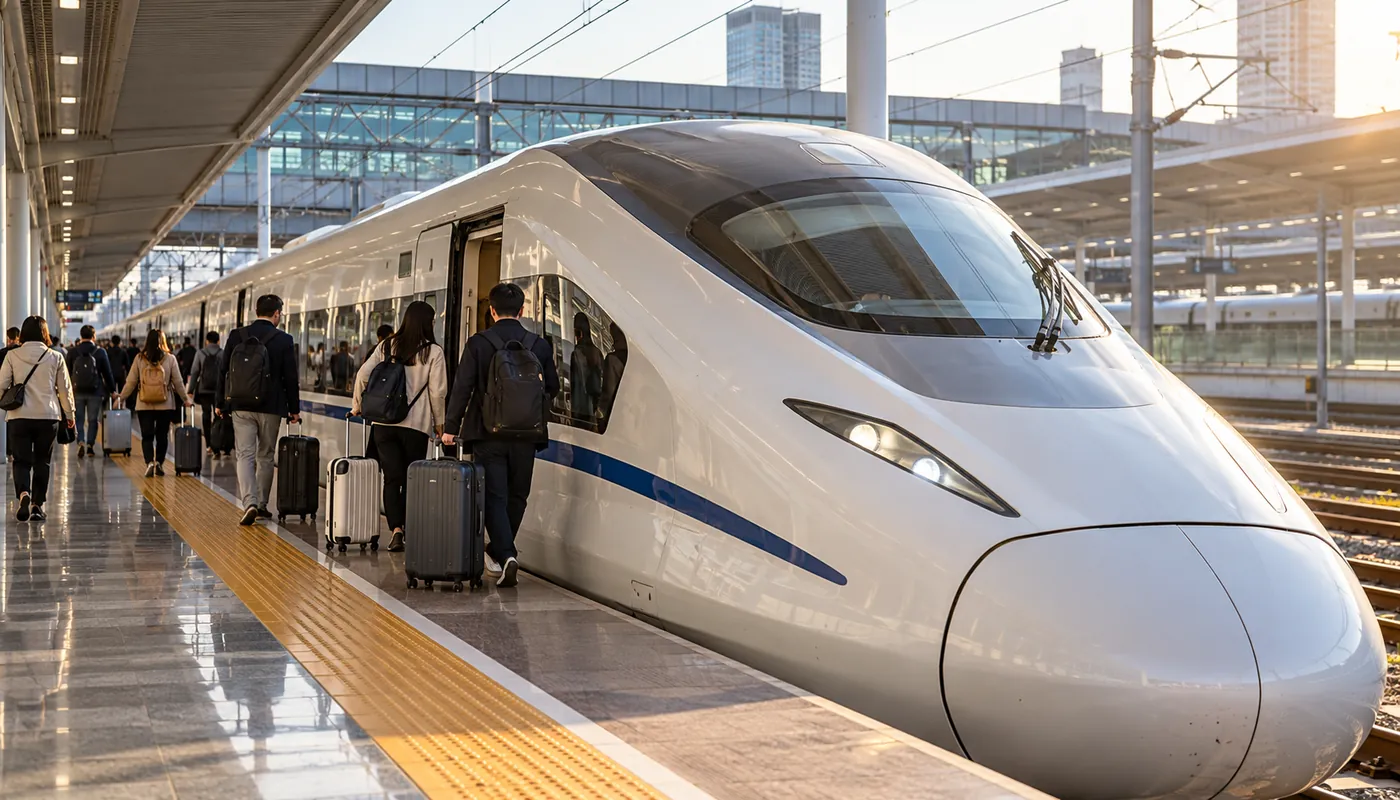
Cool and damp (2–10°C) but with few tourists and lower hotel prices. Snow on West Lake is rare but magical. Chinese New Year (late January or February) brings lanterns and festivities — and busy trains.
Dates to avoid
- Labour Day holiday (around 1–5 May)
- National Day Golden Week (1–7 October)
- Chinese New Year travel rush (around two weeks either side)
If your dates fall in these weeks, we book trains and tickets early and plan routes that avoid the busiest sites at peak hours.
Frequently asked questions
Is it worth visiting in the rainy season?
Yes — rain thins the crowds, and gardens and water towns are at their most poetic. Bring a light umbrella and waterproof shoes.
Let a local plan it for you
Tell us your dates and we'll send a free, tailor-made itinerary within 24 hours.